

When It Comes to Heating Your Home with Solid Fuel, Why Choose Kiln-Dried Logs?
Heating your home with solid fuel means you’ve got to pay attention to the quality of what you’re burning. Across the UK, more people are realising that firewood isn’t all created equal. If your wood’s too damp, you’re in for a frustrating time—fires are tough to light, they don’t throw off much heat, and you’ll wind up with more smoke and mess than you bargained for.
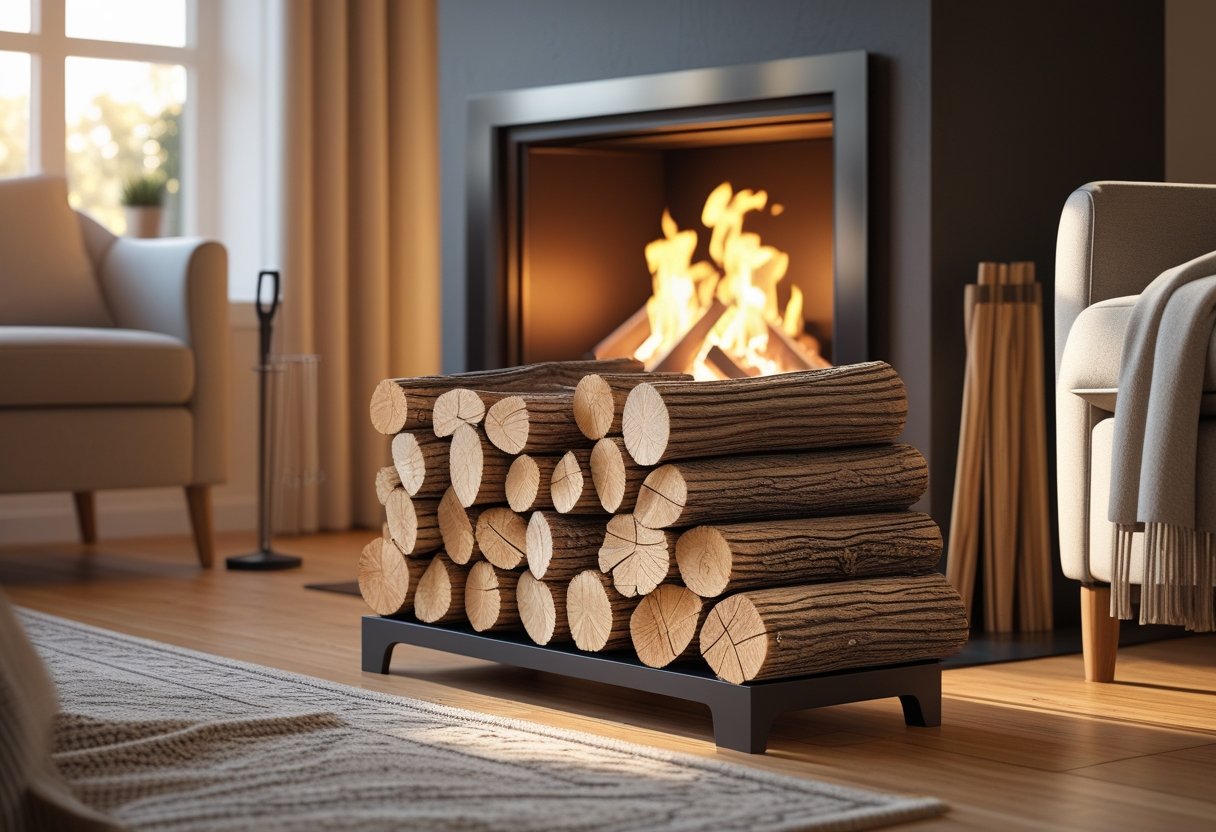
Kiln-dried logs tackle these headaches by lowering moisture content to a reliably low level using controlled drying. That means they catch fire quickly, burn cleaner, and put out more heat than wood left to dry in the open air. This is a big plus for anyone relying on a wood burner or using solid fuel as their main heat during the colder months. It’s not just about making life easier—your choice of logs really does affect how warm your space gets and how often you’ll be dealing with chimney issues.
Once you get why moisture matters, it’s easier to make smart fuel choices. Whether you’re heating one room or the whole house, picking the right logs has a real impact on comfort and what you’ll spend over the heating season.
Key Takeaways
- Kiln-dried logs have less moisture than air-dried wood, so you get more heat and less smoke
- Lower moisture means fires light easier, burn cleaner, and you’ll clean the chimney less often
- Opting for kiln-dried logs boosts heating efficiency and can lower costs for UK homes
What Are Kiln-Dried Logs?
Kiln-dried logs are firewood that’s been dried in a heated, controlled environment to get rid of moisture fast and evenly. They’re ready to burn right away and always perform better than wood left to dry outdoors.
How the Kiln-Drying Process Works
Logs go into big heated chambers—kilns—where they’re warmed up to around 60°C to 80°C for several days. The heat draws moisture out quickly, and fans keep the air moving so every log dries evenly. Temps and humidity are watched closely so the wood doesn’t crack or warp.
Usually, the whole process takes between 3 and 7 days, depending on the wood type and how wet it was to start with. Once the logs hit the target moisture, they’re cooled down and ready for sale. It’s a much more reliable method than just stacking wood outside and hoping for the best.
Moisture Content in Kiln-Dried Logs
Moisture content is just the percentage of water left in the wood. Kiln-dried logs usually come in under 20%—often between 10% and 15%. That’s key for a good fire. If wood’s too wet, much of the energy goes into boiling off water instead of heating your home. Anything above 20% just doesn’t burn well and leaves more mess behind.
As long as you store kiln-dried logs somewhere dry and airy, they’ll keep their low moisture. The controlled drying means every log in the batch is pretty much the same, so you can count on consistent burning.
Comparison with Seasoned and Green Wood
Green wood is freshly cut and loaded with water—over 50%. Burn it and you’ll get little heat, lots of smoke, and a dirty chimney. Seasoned logs are left to dry outside for a year or two, but the results depend on weather and storage. Even the best seasoned wood usually has 20–25% moisture, which is still higher than kiln-dried.
| Wood Type | Moisture Content | Drying Time | Performance |
|---|---|---|---|
| Green Wood | 50%+ | None | Poor, not suitable for burning |
| Seasoned Wood | 20-25% | 1-2 years | Variable, depends on storage |
| Kiln-Dried Logs | 10-20% | 3-7 days | Consistent, reliable |
Kiln-dried logs give you predictable results because the process is controlled. Seasoned logs can be okay, but you’re always rolling the dice on quality.
Why Kiln-Dried Logs Are the Best Choice for Home Heating
Kiln-dried logs give you better heat, longer burns, and cleaner fires than regular seasoned wood. If you’re using a wood burner as your main heat, these advantages really matter.
Heat Output and Efficiency
Kiln-dried firewood puts out more heat because there’s less water to burn off. Any moisture in the wood has to evaporate before you get decent warmth, which just wastes energy. Certified Ready to Burn logs have less than 20% moisture, so most of the energy goes straight into heating your room.
You’ll notice the difference: the fire gets hot faster and keeps it going. With properly dried logs, you don’t need as much wood to keep warm, saving you money over the winter.
Plus, you don’t have to wait around for ages—dry wood catches and heats up the room almost right away. That’s a small thing, but honestly, it’s nice not to be shivering while the fire gets going.
Burn Time and Consistent Performance
Because kiln-dried logs are evenly dried, they burn at a steady pace. You don’t get those annoying ups and downs—just a smooth, predictable burn. That makes it easier to manage how much fuel you’re using and helps keep the room temperature stable.
This is especially helpful for overnight burns or when you need to heat a bigger space. Once the fire’s going, you’re not constantly fiddling with it to keep the heat up. During cold snaps, that reliability is a real comfort.
Cleaner Burn and Reduced Smoke
Dry logs burn cleaner—there’s just less smoke, plain and simple. Wet wood can’t burn completely, so you get more smoke and particles in the air. Kiln-dried logs burn more thoroughly, so emissions are clearer.
This isn’t just good for the air in your home—it means less gunk building up in your stove and chimney. You’ll go longer between chimney sweeps, and your stove works better. In smoke control areas, kiln-dried logs help you stay within the rules and still enjoy a real fire.
Another plus? The stove glass stays cleaner for longer, so you can actually see the flames instead of staring at a sooty mess.
Hardwood vs Softwood: Which Kiln-Dried Logs to Choose?
Both kiln-dried hardwood and softwood burn well when properly dried, but there are some real differences. Hardwoods burn hotter and longer, while softwoods catch fast and cost less.
Kiln-Dried Hardwood Logs
Kiln-dried hardwood logs come from trees like oak, ash, and birch. Because they’re denser, they give off more heat and burn for longer stretches.
Hardwoods burn slow and steady—you won’t be topping up the fire constantly. Just load them up and get hours of heat. Plus, they make less smoke and soot, so you’ll spend less time cleaning the stove and chimney.
Why pick kiln-dried hardwood?
- More heat than softwood
- Longer-lasting warmth
- Less smoke and gunk
- Better value over time, even if they cost more up front
Most kiln-dried hardwoods are Ready to Burn certified, so you know they meet UK clean air standards.
Kiln-Dried Softwood Logs
Kiln-dried softwood logs come from trees like pine, spruce, and larch. They’re cheaper and light up fast.
Because softwood is less dense, it burns quicker. It’s great for getting a fire started or for a quick burst of heat. Lots of folks use softwood as kindling or for the fire pit.
Modern kiln-dried softwood burns much cleaner than you might expect. The old complaints about smoky softwood came from burning it wet. If it’s dried properly—under 20% moisture—you’ll get very little smoke.
The downside is you’ll go through more logs to get the same heat as hardwood. You might need about twice as many to keep things toasty.
Mixing Hardwoods and Softwoods
Plenty of experienced wood burner users mix both. Softwood’s great for getting the fire going; once it’s established, hardwood keeps the heat coming.
This mix saves time and money. Quick warmth from softwood, lasting heat from hardwood. Some people use softwood during the day or in milder weather, saving hardwood for cold nights or when they need the fire to last.
Popular Types of Kiln-Dried Wood for UK Households
Different wood species burn differently—some give more heat, others have a prettier flame. Oak burns a long time, ash lights up fast and burns clean, and birch gives you bright flames and that nice bark look.
Kiln-Dried Oak Logs
Oak is a dense hardwood that burns slow and steady, keeping your place warm for hours without much fuss. One load of kiln-dried oak can last a while, so you’re not constantly adding more.
It does take a little longer to catch than other woods, but once it’s burning, oak gives you reliable heat and keeps the temperature up. Perfect for overnight burns or when you just want to set it and forget it.
Oak hardly sparks, smells good as it burns, and leaves behind fine ash that’s easy to clear out. Not a bad choice if you want low-maintenance warmth.
Kiln-Dried Ash Logs
Ash logs are a popular choice for their easy lighting and the clean, hot flames they produce. Since ash is less dense than oak, it catches quickly and warms up fast—pretty handy if you don’t want to wait around for your fire to get going.
When burned properly, kiln-dried ash gives off very little smoke. That means cleaner stove glass and less creosote in the chimney. The flames are steady, and you won’t be startled by loud pops or sparks flying out.
Ash logs also deliver solid heat but are lighter and simpler to handle compared to heavier woods. They’re easy to split and stack, which makes storage less of a headache. It’s no wonder many people reach for kiln-dried ash for daily use in their wood burners—it’s reliable and lights without fuss.
Kiln-Dried Birch Logs
Birch logs throw off bright, lively flames that look great in any fireplace. The silver-white bark is easy to spot and honestly adds a bit of style when you stack it nearby.
Kiln-dried birch lights up in no time and gives off heat almost instantly. It burns hotter than a lot of other woods, though not for as long as oak. So, birch is perfect if you want quick warmth or want to mix it with slower-burning logs.
The bark’s natural oils help birch catch fire easily. While burning, it gives off a subtle, pleasant aroma and leaves behind hardly any mess. People often pick kiln-dried birch when they want a good-looking fire with strong initial heat.
Benefits for Your Home, Health, and Air Quality
Kiln-dried logs have some real perks that go beyond just keeping you warm. They burn cleaner, protect your heating system, and help improve air quality indoors—and even outside your home.
Improved Indoor Air Quality
Kiln-dried logs burn much cleaner than seasoned or damp wood because their moisture content is always under 20%. With less water inside, the wood burns more completely, sending fewer nasty gases and fine particles into your living space.
Efficient burning means way less smoke and fewer particles floating around. Wet wood, on the other hand, makes a lot of smoke, especially when you’re starting the fire or opening the stove door. That smoke contains PM2.5 particles, which aren’t great for your lungs.
Using kiln-dried logs really cuts down on these risks. Less smoke means fewer irritants in the air—something to think about if you have kids, elderly family, or anyone with asthma or breathing issues at home.
Choosing the right fuel helps keep your indoor air cleaner. Pair kiln-dried logs with a well-kept stove or fireplace, and you’ll keep most emissions heading up the chimney, not into your rooms.
Reduced Creosote Buildup and Chimney Maintenance
Creosote forms when wood smoke cools and sticks inside your chimney. Burning wet or poorly seasoned wood makes this worse, leaving behind thick, sticky deposits that are a fire risk.
Kiln-dried logs burn hotter and more thoroughly, so there’s less creosote. Hotter fires mean fewer unburned bits going up the flue and sticking to chimney walls.
This means you won’t need to call the chimney sweep as often. While you’ll still want an annual checkup, most homes using kiln-dried logs notice much cleaner chimneys between services. Less buildup also helps your stove draw better, so you get fewer smoky surprises indoors.
It all adds up over time. Fewer cleanings and a lower chance of chimney fires save you money and stress. Plus, a clean chimney helps your heating system work as it should.
Positive Impact on Local Air Pollution
Home heating is a big player in local air pollution, especially in areas where lots of people burn solid fuel. The type of wood you burn actually matters for the air everyone breathes.
Kiln-dried logs give off much less smoke and fine particles. In fact, burning dry wood can cut smoke emissions by up to half compared to wet wood. That’s a big deal for your neighbourhood’s air quality.
Wood smoke particles are tough on kids, older folks, and anyone with heart or lung problems. By choosing kiln-dried logs, you’re doing your bit to reduce pollution. Cleaner-burning logs mean fewer smoky plumes and less hassle for your neighbours.
Local councils have started to take notice, too. Some places now have smoke control zones where only certain fuels are allowed. Kiln-dried logs tick the right boxes, while wet wood doesn’t—so they’re the safer, more responsible choice.
Cost-Effectiveness and Value of Kiln-Dried Logs
Sure, kiln-dried logs cost a bit more upfront than wet or seasoned wood, but they pay off in the long run. You’ll burn fewer logs, spend less on maintenance, and get better heat. The higher price doesn’t sting as much when you see how much you save on chimney cleaning and heating bills.
Lower Fuel Usage and Higher Heat Value
With less moisture inside, kiln-dried logs send more energy straight into heating your home instead of boiling off water. These logs stay at 20% moisture or less, while unseasoned wood can be 30-50% water—pretty inefficient.
This makes a real difference for heating performance. Wet logs waste energy turning water into steam before you feel any warmth. Dry logs skip that step and get your space cosy faster.
UK households find they use fewer kiln-dried logs to keep the same temperature. The fires last longer and need less tending. Over a whole winter, you might use 20-30% less fuel.
Better heat output means you won’t have to rely on expensive electric or gas heating as often.
Savings on Maintenance and Compliance
Burning wet wood leaves more tar and creosote in your chimney, which means more frequent cleanings and higher fire risk.
Kiln-dried logs leave behind much less mess. Your chimney stays cleaner, and you can stretch out the time between professional sweeps. Most people save £50-100 a year just on maintenance.
Stove glass stays clearer with dry wood—less soot, less scrubbing, and a better view of the flames.
In smoke control zones across the UK, you’re required to use approved fuels. Kiln-dried logs that carry the Ready to Burn mark are compliant. Using the wrong fuel can mean fines, so sticking with certified logs is the safer bet.
Bulk Purchasing and Ready to Burn Certification
Buying kiln-dried logs in bulk bags can really cut the per-log price. Ordering a big load for winter usually works out 15-25% cheaper than grabbing smaller bundles here and there.
Most suppliers offer firewood delivery throughout the UK, which saves you time and hassle. Getting a large order also means you won’t run out when everyone else is scrambling for logs mid-winter.
Woodsure Ready to Burn means the logs meet strict moisture and quality checks. No more guessing if your firewood will perform, which matters in regulated areas.
If you’ve got the space, storing bulk bags properly keeps logs dry and ready to use. Stocking up when prices are low helps you avoid shortages and price hikes later in the season.
Environmental and Regulatory Considerations
Kiln-dried logs do have environmental benefits, especially when you buy from responsible sources. But UK rules on what you can burn at home are strict, so it’s smart to know where your fuel comes from and stay on the right side of the law. That way, you protect both air quality and your budget.
Sustainable Forestry and Sourcing
Logs from sustainable forestry support healthy woodlands and provide renewable heat. Good suppliers get their wood from forests that are replanted and managed for biodiversity.
The carbon released when burning wood is about the same as what the tree absorbed while growing, making kiln-dried logs a greener pick compared to fossil fuels.
Stick with suppliers who can prove their wood comes from managed UK forests or who hold recognised certifications. Buying local cuts transport emissions and backs up regional woodland care. Many also use timber from thinning or tree surgery, so nothing goes to waste.
UK Regulations on Domestic Solid Fuel
Since May 2021, the UK has banned sales of wet wood and traditional house coal to cut PM2.5 pollution. Only dry wood under 20% moisture and approved smokeless fuels are now allowed for home burning.
DEFRA sets the bar for authorised fuels and stoves. Kiln-dried logs meet these rules because they’re always below the 20% moisture limit.
Smoke Control Areas in many UK cities limit what you can burn unless you have a DEFRA-approved stove. Even then, using high-quality kiln-dried wood keeps smoke low and helps you avoid fines—sometimes up to £1,000.
Legal Compliance and Traceability
Trustworthy suppliers provide paperwork showing their kiln-dried logs follow moisture rules. This traceability proves your fuel is legal and keeps you safe from fines.
Wood Ready to Burn certification is third-party proof that logs meet government standards. Suppliers with this badge have their wood regularly checked for moisture.
Buying from certified suppliers means you get consistent quality and stay compliant. Avoid roadside sellers or anyone who can’t prove their wood is up to standard. Good documentation is handy if authorities ever ask for proof.
Selecting, Storing, and Using Kiln-Dried Logs Effectively
To get the most from kiln-dried logs, you’ll want to pick a reliable supplier, store your wood properly, and know a few basics about delivery and use. These details really do affect how well your logs perform in stoves, fireplaces, or even outdoor fire pits.
Choosing the Right Supplier
Go for suppliers offering certification like Ready to Burn, which means the logs are under 20% moisture. That way, you know your firewood will burn well in stoves, multi-fuel burners, or open fires without making too much smoke or tar.
Check which wood species they sell. Hardwoods like oak and ash burn longer and hotter—great for winter heating. Softer woods like pine catch fast but burn out quickly, making them better for outdoor pits or getting fires started.
Look for flexible delivery and clear pricing. Buying in bulk nearly always saves money versus smaller nets. Uniform log sizes are a plus—they stack easier and burn more evenly.
Proper Storage and Outdoor Use
Keep kiln-dried logs dry to preserve their low moisture. Stack them off the ground on pallets or a raised rack to stop water seeping in. A proper log store with a roof and open sides is ideal, letting air flow while keeping rain off.
Don’t wrap logs tightly in plastic—it just traps moisture and causes problems. If you’re storing outside without a shelter, just cover the top of the stack and leave the sides open.
Set up your storage away from walls to help air circulate. Stack logs in rows with small gaps so air moves through. For outdoor fire pits in winter, bring out only what you’ll burn right away—no need to expose your whole stash to the damp.
Delivery Options and Practical Tips
Most firewood delivery services let you choose between loose loads, bulk bags, or small nets. Loose loads are great if you’ve got a dedicated storage spot set up already. Bulk bags? Handy for chipping away at your woodpile through winter. Individual nets cost a bit more per unit, but honestly, they’re easier to stash if you’re tight on space.
Think about when you want your order to arrive—timing matters. Make sure your storage area’s sorted before the logs show up. A lot of suppliers use big trucks, so you’ll need decent access and space for them to turn around.
When your delivery lands, take a quick look at the logs—are they roughly the same size? If you can, check the moisture in a couple of pieces. Get them under cover right away; don’t leave them out in the rain. For wood-burning or multi-fuel stoves, it’s smart to keep a basket of logs indoors—makes life easier when it’s freezing outside.
Frequently Asked Questions
Kiln-dried logs can give you heat outputs up to 24 million BTUs per cord and keep moisture below 20%. That’s a big deal for burning efficiency and keeping your stove in shape. Expect to pay around £120 to £160 per cubic metre. Sure, it’s a bit of an investment, but you’ll get more heat and less mess—so it tends to even out.
What are the benefits of using kiln-dried logs for home heating?
Kiln-dried logs burn hotter than regular wood because they’re so dry. You get more heat per log, which is exactly what you want in the middle of winter.
Less moisture means you’re not dealing with clouds of smoke or lots of particulates. That makes for a cleaner burn and fewer chimney sweeps.
They’re ready to go straight from delivery—no waiting around for months (or years) for them to dry out.
How does the moisture content of kiln-dried logs impact their burning efficiency?
Logs with less than 20% moisture light up faster and burn more evenly. Wet wood just wastes heat evaporating water before you even feel the warmth.
Dry logs give you more useful heat—energy goes into warming your home, not drying out the wood. If you burn a log with 50% moisture, you’ll get about half the heat compared to kiln-dried wood.
Consistently low moisture means you can actually predict how long a load will last. It’s less guesswork and more reliable comfort.
Can kiln-dried logs contribute to a longer lifespan for my stove or fireplace?
Burning dry wood means you’ll get less creosote building up in your chimney. That sticky stuff is a fire hazard and a pain to clean. Regular use of kiln-dried logs helps avoid chimney fires and cuts down on maintenance calls.
They also burn at steady temperatures, which is easier on your stove. Wet wood causes metal parts to expand and contract, and over time, that’s just not good for the hardware.
Cleaner burning means less soot and gunk in the firebox, so your stove or fireplace stays efficient for longer.
Is there a significant difference in heat output between kiln-dried logs and other types of solid fuel?
Kiln-dried hardwoods can hit up to 24 million BTUs per cord. That’s a lot higher than the 8,000 to 12,000 BTUs per hour you’ll get from most fire logs.
Coal packs a punch in terms of heat but leaves behind more ash and needs a different approach. Wood pellets are convenient but need special stoves—and electricity to keep them feeding in.
Seasoned wood can compete if it’s been dried for at least two years, but honestly, the moisture content is hit-or-miss, so you never really know what you’ll get.
What environmental advantages do kiln-dried logs offer over traditionally seasoned wood?
Kiln-dried logs produce fewer particulates because they’re so dry. That’s better for air quality, especially if you live in a smoke control zone.
They burn more efficiently, so you don’t need as much wood to keep warm. That means fewer deliveries and less strain on resources.
If you’re buying from a supplier who uses sustainable forests, you’re also supporting good forestry practices—trees get replanted, and the ecosystem stays balanced.
How does the cost of heating with kiln-dried logs compare to other solid fuel options?
Kiln-dried wood typically runs between £120 and £160 per cubic metre. Fire logs are around £3 to £5 each, so if you’re burning them often, the costs can add up fast.
Because kiln-dried logs put out more heat, you’ll probably go through fewer of them to keep your place warm. That can help balance out the higher upfront price over the course of a winter.
Storage is another thing to think about. Kiln-dried logs need to stay dry to keep their low moisture level—otherwise, they lose a lot of their efficiency, and you’re not really getting the full benefit of kiln-drying. Not ideal, right?