

What Is Smokeless Coal And Is It Suitable For Domestic Heating?
Smokeless coal is a fuel made from materials like anthracite, lignite, or petroleum coke. When you burn it, you’ll notice little to no smoke—definitely a step up from old-fashioned house coal. It’s approved for use in smoke control areas across the UK, so you don’t have to worry about breaking local rules. Smokeless coal works well for domestic heating. It burns efficiently, gives off more heat than regular coal, lasts longer, and you won’t be dealing with as much ash or mess.

Plenty of homeowners use smokeless coal in multi-fuel stoves, open fires, and boilers. It’s got some practical perks over regular fuels—steady heat, less hassle, and honestly, better value over the long haul.
If you get to know the different types of smokeless coal and how to use them, you can heat your place more efficiently. This guide will break down what sets smokeless coal apart, which type fits your appliance, and how to get the most out of it.
Key Takeaways
- Smokeless coal is a clean-burning fuel—mainly made from anthracite and similar materials—that produces little smoke and is legal in smoke control zones.
- It’s more efficient than regular house coal, giving you up to 40% longer burn times and about a third more heat.
- Not all smokeless coal is the same—matching the right type to your stove or fireplace makes a big difference in heating performance.
What Is Smokeless Coal?
Smokeless coal is a solid fuel made to produce barely any visible smoke. Thanks to its high carbon content, it burns cleaner than traditional coal. The fuel is specially processed to cut down the compounds that cause smoke and emissions.
Definition and Composition
Smokeless coal is all about low smoke. It’s usually made from anthracite, which is about 97% carbon—pretty impressive. That’s what makes it one of the cleanest coals you’ll find.
Other ingredients, like petroleum coke and lignite, sometimes get mixed in. Manufacturers might blend these into ovoids or briquettes. This mix helps the fuel light up easily and last longer than house coal. Fewer impurities also mean your chimney and flue stay cleaner.
How Smokeless Coal Differs from Traditional Coal
Traditional house coal (often called bituminous coal) gives off a lot of smoke and pollutants. That smoke isn’t just annoying—it’s packed with particulates that aren’t great for your health or the air.
Smokeless coal? It produces up to 80% less smoke. It also burns up to 30% hotter, so you get more heat from the same pile of fuel. This efficiency means you’re not constantly topping up the fire.
Cleanup is easier, too, since there’s less ash. That means less time spent cleaning out your stove or fireplace. And since emissions are much lower, smokeless coal is legal to use in areas where regular coal isn’t allowed.
Manufacturing Process
To make smokeless coal, manufacturers use a process called destructive distillation. They heat anthracite or low-volatile bituminous coal in sealed ovens with no air, which gets rid of the stuff that usually causes smoke.
This carbonisation happens in airtight ovens. The coal gets super hot, driving off gases and impurities. What’s left is a solid, carbon-rich fuel with hardly any volatile content.
Some producers add a bit of biomass to the blend before processing. After that, the mixture goes through pyrolysis, which makes it burn even better. The finished product has to meet strict rules for emissions and air quality.
Types of Smokeless Coal
Smokeless coal isn’t just one thing—it comes in a few different forms, each with its own quirks. Anthracite is the pure, natural option. Manufactured fuels are blends made to give you reliable heat and easy use.
Anthracite Smokeless Coal
Anthracite is top-tier coal. It’s naturally low in volatile compounds, so it barely smokes at all when you burn it.
This coal is loaded with carbon and burns at very high temperatures. With a calorific value around 32.5 MJ/kg, it packs a punch for domestic heating.
It can take a bit longer to get anthracite going, but once it’s lit, you get a steady, powerful heat. The glow is bright red, and most of the energy comes out as infrared radiation.
Key characteristics include:
- High heat output
- Long burn time
- Minimal ash
- Works in open fires and stoves
Anthracite is great if you want slow, consistent heat—especially overnight. It keeps your chimney cleaner than bituminous coal, too.
Manufactured Smokeless Fuels and Ovoids
Manufactured smokeless fuels are made by mixing different materials and shaping them into briquettes or ovoids. They’re designed to burn cleanly and follow air quality rules.
Stove blends often use lignite, petroleum coke, and smokeless ovals. The process strips out the stuff that causes smoke. The best smokeless coals have processed anthracite pressed into uniform shapes.
These fuels are usually easier to light than raw anthracite. The regular shape helps keep air moving in your stove or fire. Some are tailored for certain appliances.
You’ll find ovals and briquettes that last longer than regular coal. Some even have binding agents to make them less dusty and easier to handle.
Coke and Other Variants
Coke is made by heating coal without air, which removes the smoky stuff. What’s left is almost pure carbon that burns with hardly any smoke.
It gives off a lot of heat and is especially good in closed stoves. Coke is hard, has a grey look, and doesn’t leave much ash.
Charcoal counts as a smokeless fuel too. It’s common for outdoor cooking because it burns hot and clean. Some heating products use charcoal briquettes as part of the mix.
There are other options, like petroleum coke, which comes from oil refining. Each type burns a bit differently and has its own price and best use. It’s worth checking which one fits your needs and your appliance.
Benefits of Smokeless Coal for Domestic Heating
Smokeless coal comes with a bunch of benefits for home heating. It burns hotter and longer than old-school coal, barely smokes, and meets the legal requirements in regulated areas.
Higher Heat Output and Efficiency
Thanks to its high carbon content, smokeless coal gives you more heat from less fuel. That means you won’t have to lug home as many bags to keep your place warm all winter.
The manufacturing process is what makes it so efficient. Regular house coal is loaded with impurities that just make smoke, not heat. With smokeless coal, more of the energy actually goes into warming your home.
This higher heat output is especially noticeable in multi-fuel stoves and closed appliances. Those systems work best with fuels that keep the temperature steady. Anthracite, for example, can really heat up big rooms or open spaces.
Long Burning Time
One of the best things about smokeless coal is how long it burns. A single load can last for hours without you needing to mess with it. That’s handy for overnight heating or if you’re out during the day.
This long burn is thanks to its dense structure and high carbon levels. Fuels like phurnacite and anthracite are known for holding heat all night. You can bank the fire before bed and still wake up to a warm home—no need to keep refuelling.
Longer burning also means you’ll save money in the long run. Each piece lasts longer and gives off more heat, so you use less overall. Plus, there’s less ash to clean up.
Reduced Air Pollution
Smokeless coal makes much less smoke than regular coal. That’s because the manufacturing process gets rid of most of the compounds that cause smoke. You’ll barely see anything coming from your chimney, and the air inside and outside your home stays fresher.
It’s not just about smoke, either. Smokeless coal gives off fewer harmful particles, so it’s a better choice for the environment. If you care about your carbon footprint, it’s a solid pick.
Less smoke means less soot in your chimney and flue, too. That saves you time and money on maintenance. Your walls and ceilings stay cleaner, which is always a bonus.
Compliance with Smoke Control Regulations
Lots of UK cities are smoke control areas under the Clean Air Act. In these places, burning regular coal isn’t allowed. Smokeless coal is made to fit those rules.
If you use approved smokeless fuels, you’re following local air quality laws. You can check your local council’s website to see if you’re in a smoke control area. Most smokeless coal is certified for these zones.
Following the rules keeps you safe from fines and helps improve air quality in your area. Smoke control laws are there for a reason, and using smokeless coal goes a long way toward cleaner air for everyone.
Smokeless Coal Versus Traditional House Coal
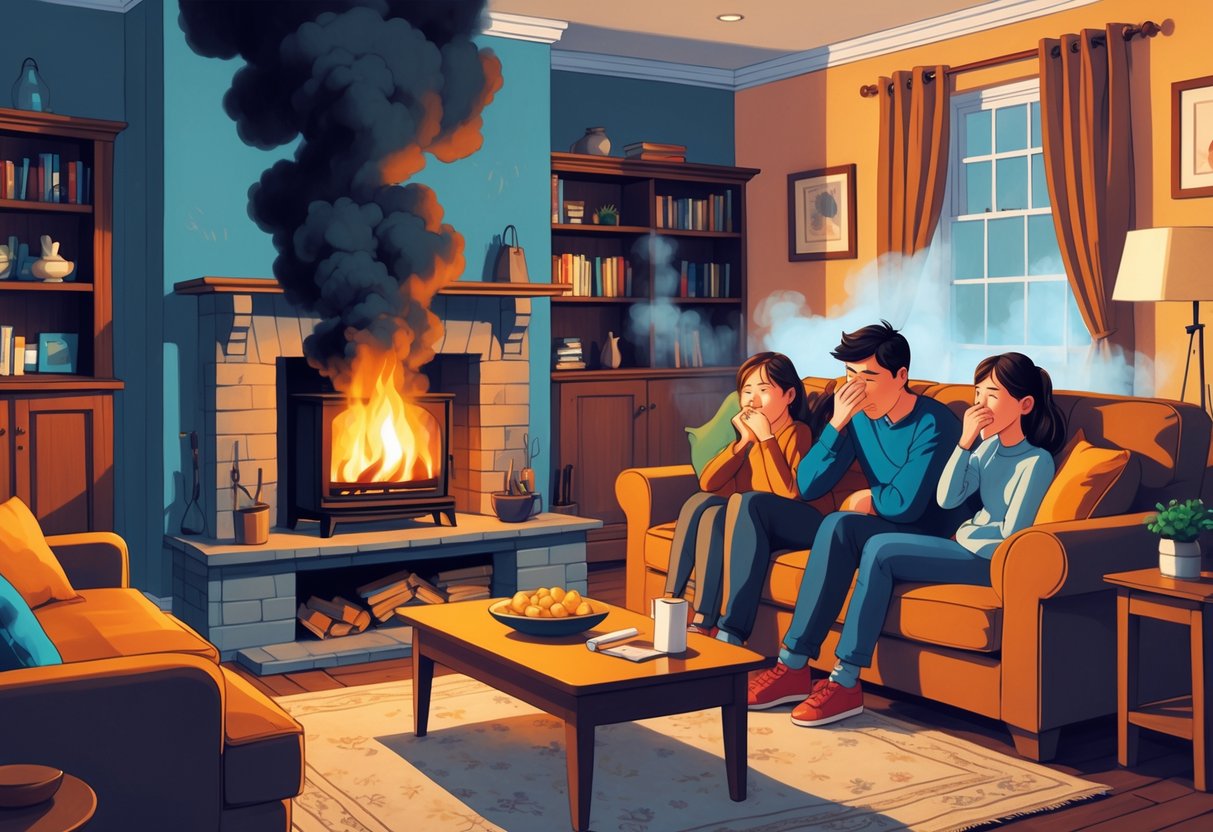
Smokeless coal and traditional house coal are pretty different in how they burn, their environmental impact, and what’s legal. Knowing the differences helps you pick the right fuel for your home.
Performance Comparison
Smokeless coal delivers about 30-40% more heat than traditional house coal, so you don’t need as much to get your home warm. One load can burn up to 40% longer, which means you get extra warmth and fewer trips to refuel.
House coal lights easily and gets hot fast, but it burns through quickly and leaves behind a lot more ash. Smokeless coal is a bit slower to get going, but once it’s lit, you’ll notice a steady, even heat for much longer.
The higher carbon content in smokeless coal makes it noticeably more efficient. It creates less dust and ash, so you’ll spend less time cleaning your stove or fireplace. House coal, on the other hand, often leaves smoke, soot, and that stubborn, lingering smell.
Environmental Impact
Smokeless coal gives off far fewer pollutants than house coal. Lower sulphur dioxide, nitrogen oxides, and particulates mean better air quality and fewer health concerns from smoke.
Using smokeless coal shrinks your carbon footprint thanks to its efficiency and reduced emissions per unit of heat. House coal, by contrast, releases more visible smoke and greenhouse gases, and its smoke can trigger respiratory issues and smog, especially in cities.
Because smokeless coal produces almost no visible smoke, it’s a cleaner pick for residential areas. That’s good news for you and your neighbours. House coal’s higher emissions make it a poor fit for places where air quality matters.
Legal and Regulatory Factors
Many UK areas are Smoke Control Areas, so burning house coal there is illegal. Only authorised smokeless fuels or exempted appliances are allowed. Fines are possible if you break the rules.
Smokeless coal meets the legal requirements for these zones, so you can use it anywhere in the UK. House coal is banned or restricted in most urban areas due to its smoke output. Always check with your local council before buying any solid fuel. Traditional house coal is getting harder to find as environmental rules tighten up.
Using Smokeless Coal in Domestic Heating Appliances
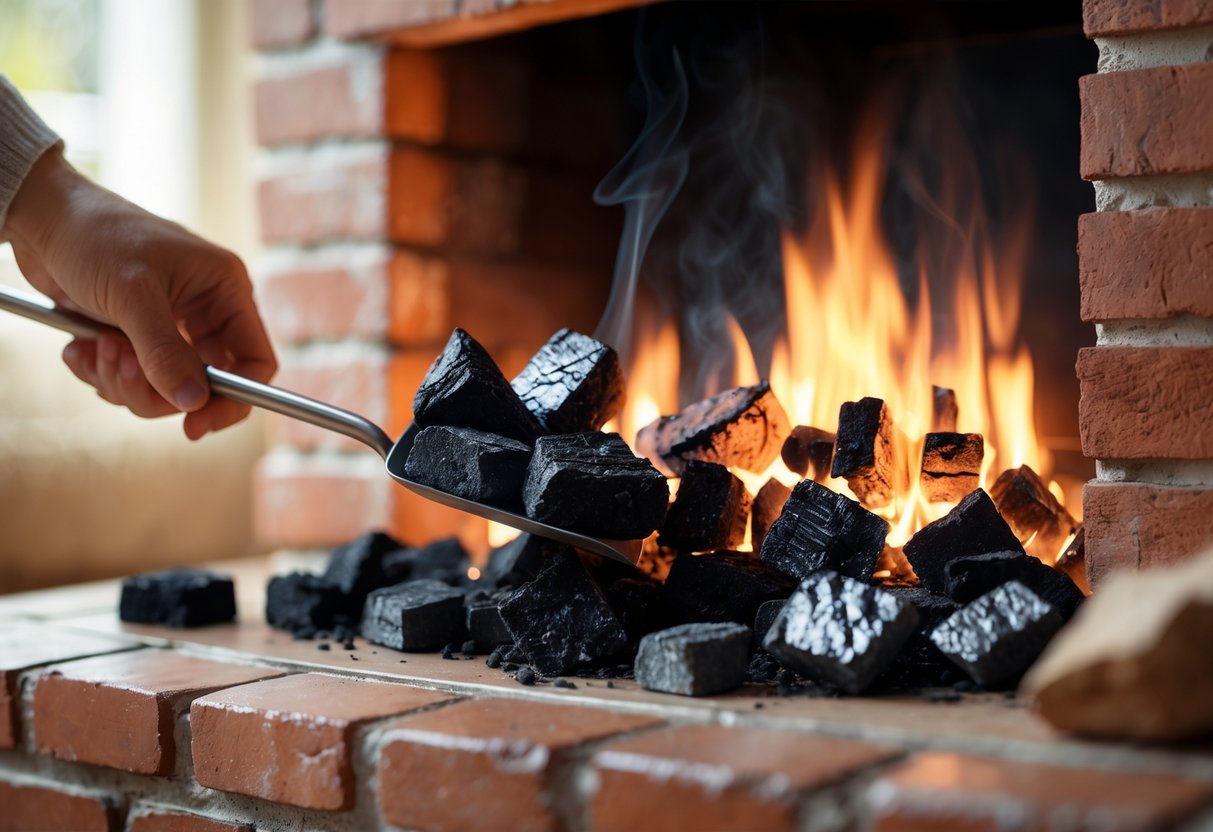
Smokeless coal works in most home heating setups, but every appliance has its quirks. The type of system you use affects how long the coal burns, how much heat you get, and how you manage the fire.
Open Fires and Fireplaces
Smokeless coal can go in open fires and fireplaces, but it needs a bit more attention than in closed stoves. Start with a bed of hot ash, then use kindling and firelighters to build up heat. Once you see flames, add a little smokeless coal at a time.
Open fires are less efficient with smokeless coal since a lot of heat escapes up the chimney. Keep the chimney clean and make sure there’s enough ventilation in the room. The coal burns hotter than house coal, so you’ll use less fuel overall.
Double-check that your fireplace is suitable for smokeless fuel. Some older fireplaces might need tweaks to handle the extra heat. Keep the grate clear of ash to help air flow under the coal.
Multi-Fuel Stoves and Boilers
Multi-fuel stoves really shine with smokeless coal. They give you better airflow control, which means longer burns and more heat. With the right setup, you can get up to eight hours of steady warmth.
Start with an ash base in your stove, then add smokeless coal gradually. Don’t overfill it—too much coal cuts airflow and lowers efficiency. Adjust the vents to control the burn; less air slows things down for a longer-lasting fire.
Solid fuel boilers also work well with smokeless coal, keeping temperatures stable for central heating and hot water. Clean them regularly to avoid ash buildup that can cut efficiency.
Room Heaters and Cookers
Room heaters that take solid fuels can safely burn smokeless coal. They’re great for smaller spaces that need direct heat. Just follow the manufacturer’s advice on fuel type and how much to load.
Solid fuel cookers—think Agas or Rayburns—run smoothly on smokeless coal. The steady heat is ideal for cooking and heating water, and you’ll often find they keep temperature better than wood or peat.
How to Burn Smokeless Coal Efficiently
Getting the best out of smokeless coal comes down to lighting it properly, using the right appliance, and storing it well. These things make a real difference in heat output and how long your fuel lasts.
Proper Lighting and Airflow
Start with a solid base when lighting smokeless coal. Put firelighters or newspaper at the bottom of the grate, then add kindling on top. Once it’s burning well, add small amounts of smokeless coal—don’t rush it.
If you add too much coal at once, you’ll smother the fire. Thin layers work better, letting each one catch before you pile on more.
Airflow is key. Keep vents wide open when lighting to get enough oxygen in. That helps the coal reach a clean, high burn.
Once the fire’s going strong, you can dial back the vents to control the burn speed. More air gets things hotter and faster; less air slows it down for overnight warmth. Keep an eye on it for the first hour to make sure it’s burning right.
Suitable Appliances and Ready to Burn Certification
Closed appliances like multi-fuel stoves and room heaters are where smokeless coal does best. They control airflow well, so you get more heat and less waste. Make sure your appliance is approved for smokeless coal.
Look for Ready to Burn certification on your smokeless coal. This means it meets standards for low moisture and emissions, so you get easier lighting and steady heat.
Don’t use smokeless coal in wood-only appliances—they’re not built for it. And never burn house coal in a multi-fuel stove; it can damage the stove and release dangerous fumes.
Storing and Handling Smokeless Coal
Keep smokeless coal dry and covered. Damp fuel is tough to light, burns badly, and makes more smoke.
Store coal in sealed bags or closed containers until you need it. A coal bunker or shed works well, and keeping it off the ground helps avoid moisture problems.
Use a metal scoop or bucket to handle the coal instead of your bare hands. Only keep a small supply near your appliance so you’re not running outside all the time in cold weather.
Considerations and Drawbacks of Smokeless Coal
Smokeless coal has plenty of benefits for home heating, but it’s not perfect. The higher upfront cost and special requirements mean it’s not the obvious choice for everyone.
Cost and Availability
It usually costs more than house coal—expect to pay about 20-40% extra per bag.
Still, the price reflects better efficiency. Since smokeless coal produces about 30% more heat, you’ll probably use less fuel and your heating costs might even out or drop over time.
It’s easier to find these days, with most suppliers stocking it and bulk delivery options available. That said, if you live in a rural area, choices might be limited compared to cities. House coal is still easier to get in some places, especially where regulations aren’t as strict.
Suitability for Different Domestic Settings
Smokeless coal isn’t for every heating system. You’ll need an open fireplace built for solid fuel or a multi-fuel stove. Standard wood stoves can’t handle the higher heat—it could damage them.
Your chimney and flue need to ventilate properly, but you don’t need anything special. Properties in smoke control areas benefit the most since burning house coal isn’t allowed there.
If you’re in a flat or have little storage, bulk buying might be a hassle. Smokeless coal needs to be kept dry, so you’ll want a spot to store it safely.
Potential Limitations
It takes longer to ignite than house coal. You’ll need patience and good kindling, which isn’t ideal if you want quick heat.
The flames are less dramatic than wood or house coal. If you love the look of a roaring fire, smokeless coal’s more subtle glow might not do it for you.
You’ll still need to clean your stove or fireplace, though there’s less ash than with house coal. Regular upkeep—once a week during heavy use—is still part of the deal.
Choosing the Right Smokeless Coal for Your Needs
Picking smokeless coal means matching the type to your appliance, figuring out how much heat you need, and weighing cost against environmental impact.
Factors to Consider When Buying
Your appliance size matters—measure your stove or fireplace to make sure the coal fits. Smaller pieces suit compact stoves; bigger chunks are better for open fires.
Heat output is important if you’re heating a large space. High-heat coal is best for big rooms. Premium smokeless coal tends to give you more heat per kilo than basic options.
Ash content affects how often you’ll be cleaning up. Less ash means less work and better efficiency. Check the specs before buying and compare ash levels.
Storage space at home also plays a role. Bulk buying saves money, but you need a dry place to keep it. Damp coal just won’t burn right.
Matching Coal Types to Appliances
Open fires need smokeless briquettes or certain house coal types approved for smoke control areas. These give you a nice flame and steady heat. Don’t use anthracite in an open fire—it needs more restricted airflow.
Multi-fuel stoves work best with anthracite or premium smokeless coal. These types of smokeless coal burn hotter and last longer than briquettes. Adjust the vents to manage the burn rate.
Cookers and boilers need anthracite for steady, controllable heat. The slow burn keeps temperatures even and avoids damaging spikes. Always check your manufacturer’s guide before picking a fuel.
Superheat products are for homes that need serious warmth. This efficient fuel can give up to 40% more heat than house coal and lasts longer between refills.
Environmental and Economic Factors
Smokeless coal gives off fewer harmful emissions than traditional coal, which is a plus for air quality in your area. It puts out less particulate matter and carbon monoxide when you burn it—definitely something to consider if you care about what you’re breathing.
Looking at price per bag doesn’t tell the whole story. Sometimes, the cheaper stuff burns up so fast that you end up spending more in the long run. It’s smarter to figure out how many hours of heat you get from each bag to really see what you’re paying for.
Eco-friendly fuels made from biomass or waste materials can shrink your carbon footprint, and they’re often less expensive than the fancy brands. They usually meet smoke control rules and deliver enough heat for most average rooms—so you don’t have to compromise much if you go that route.