

What Is a Smoke Control Area? Rules for Log Burner Owners Explained
A smoke control area is a zone where local councils put limits on what fuels you can burn and which appliances you’re allowed to use—all to help cut down on air pollution. You’ll find these areas in many parts of the UK, especially in towns and cities.
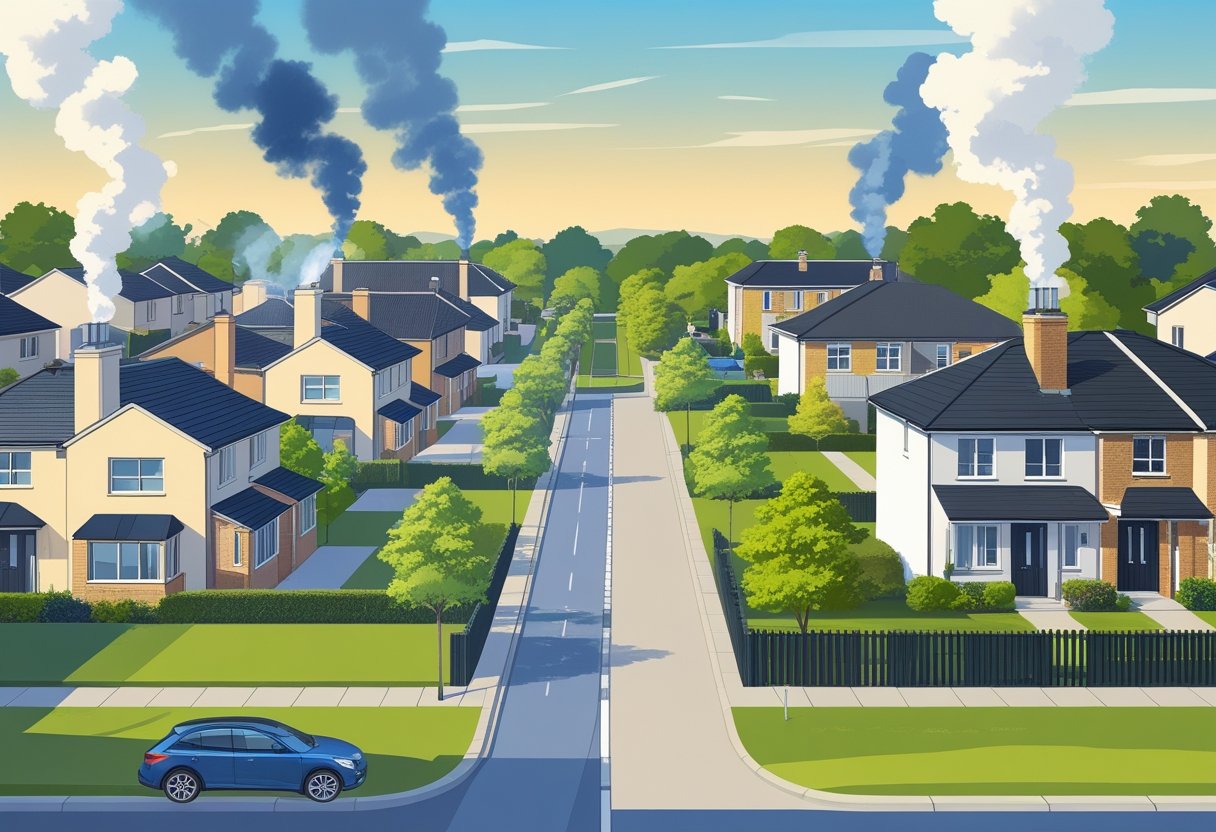
If you live in a smoke control area, you can still use a log burner, but you’ll need to stick to certain rules about fuel and the kind of stove you own. Only authorised fuels like smokeless coal or specific types of wood are allowed in approved stoves. If you’ve got a Defra-exempt appliance, you have a bit more choice in what you burn. Break the rules and you could be fined up to £1,000—nobody wants that.
Getting your head around these regulations helps you enjoy your fire without any trouble. It’s mostly about knowing which fuels and stoves are okay, so you can heat your home and stay on the right side of the law.
Key Takeaways
- Smoke control areas limit what fuels you can burn and require approved stoves to help keep the air cleaner
- Log burners are allowed if they’re Defra-exempt and use authorised fuels
- Breaking the rules can mean fines up to £1,000
Defining Smoke Control Areas
Smoke control areas are legally set zones where there’s a tight grip on what comes out of chimneys and which fuels you’re allowed to burn. These rules are in place across much of the UK to protect air quality and public health, especially in busy places.
Legal Basis and Local Authority Role
Local authorities can create a smoke control area by issuing a Smoke Control Order, thanks to the Clean Air Act 1993 in England and Wales. This law lets councils set up zones where smoke from homes is regulated.
Councils decide where these areas go and make sure the rules are followed. Usually, the environmental services team handles questions and makes sure people comply. If you break the rules, you could get a penalty of up to £300 for letting smoke out of your chimney. Buying unauthorised fuel for a non-exempt stove? That could cost up to £1,000.
Each council keeps records of their smoke control areas. If you’re not sure whether your home falls inside one, you’ll need to check with your local council—boundaries can be a bit unpredictable.
Purpose and History of Smoke Control Legislation
Smoke control areas go back to the Clean Air Act 1956, which was brought in after some pretty bad air pollution in British cities. The main goal was to cut down the health risks and environmental damage from burning coal and other solid fuels where lots of people lived close together.
Air pollution is still a major threat to public health. The regulations focus on cutting emissions from burning solid fuels, since these release harmful particles and gases. The rules are there to help communities—especially in cities—breathe a little easier.
Clean Air Act Versus Clean Air Zones
The Clean Air Act sets up permanent smoke control areas, with rules on what you can burn at home and which appliances are allowed. These have been around for decades and focus on home heating and cooking.
Clean Air Zones are something else. They’re aimed at vehicle emissions in city centres and don’t have much to do with what you burn in your fireplace. Clean Air Zones charge certain vehicles to enter based on how polluting they are, while smoke control areas under the Clean Air Act are all about household fuel and stoves.
How Smoke Control Areas Affect Log and Wood Burners

If you’re in a smoke control area, you can’t let smoke out of your chimney and you have to follow the rules on which fuels and stoves you use. This directly affects how you run your log burner or wood stove.
Restrictions on Smoke Emissions
Letting smoke out of your chimney is a no-go in these areas. Traditional open fires and old stoves that don’t meet the standards can’t burn regular fuels legally.
In England, if your chimney smokes in a designated area, you could get a £300 fine. These rules are there to cut air pollution and protect people who are most at risk, like kids, pregnant women, and older folks.
Standard house coal and wet wood are off the table unless you’re using an approved stove. Only smokeless fuels like anthracite, semi-anthracite, gas, or low volatile steam coal are allowed in non-exempt appliances. Using unauthorised fuel in a non-approved stove can lead to fines up to £1,000.
Exempt Appliances and Log Burner Requirements
Defra-approved appliances let you burn wood and other fuels legally in smoke control areas. These stoves meet strict standards and are designed to burn fuel efficiently, so they don’t produce too much smoke.
Wood burners are fine in these areas if they’re Defra-approved. There’s no outright ban on log burners. Exempt appliances are built to burn cleanly and meet environmental targets.
You need to use only the fuels recommended by the manufacturer for your stove. Even with a top-notch burner, burning things like painted or varnished wood, pallets, or treated timber isn’t allowed—and honestly, it’s bad for your stove and everyone’s lungs.
Differences for Wood Burning and Multi-Fuel Stoves
Both wood burning stoves and multi-fuel stoves need Defra approval for use in smoke control areas. The main difference is in what fuels they can handle, not the legal requirements.
Approved wood burning stoves can burn wood logs. Multi-fuel stoves can use both smokeless fuels and wood, as long as they have exempt status.
If your multi-fuel stove isn’t exempt, you’re limited to smokeless fuels. With an exempt stove, you can switch between approved fuels based on what you like or what’s available.
Authorised and Unauthorised Fuels in Smoke Control Areas
In smoke control areas, there are tight rules on what you can burn to help reduce air pollution. Knowing the difference between authorised and unauthorised fuels is key if you want to use your log burner without any hassle.
List of Authorised Fuels
Authorised fuels are those that have been tested and shown not to produce much smoke. You can use them in any stove or even an open fire within a smoke control area.
The main authorised fuels are:
- Anthracite – a hard, high-carbon coal that burns cleanly
- Semi-anthracite – similar, but with a bit more volatile content
- Gas – natural gas or LPG
- Low volatile steam coal – coal processed to reduce smoke
- Manufactured solid fuels – briquettes and other processed fuels on the approved list
Defra keeps an official list of all authorised fuels. They usually cost more than regular house coal or logs, but they’re much cleaner. Manufacturers have to get their products tested and approved to make the list.
Rules for Using Unauthorised Fuels
Fuels like standard firewood and house coal can only be burned in exempt appliances in smoke control areas. An exempt appliance is one that Defra has approved for burning efficiently without excess smoke.
If you buy unauthorised fuel for a non-exempt stove, you risk a fine of up to £1,000. Letting smoke out of your chimney can get you a £300 penalty in England.
Suppliers have rules too. It’s illegal for them to deliver unauthorised fuel to homes in smoke control areas unless it’s for an exempt stove. So, firewood deliveries are only okay if you have a Defra-approved stove.
How to Identify Approved Fuel Types
Authorised fuels should have a label or mark showing they meet the rules. The packaging usually mentions the Clean Air Act and gives approval details.
Suppliers are supposed to provide proof that their fuel is authorised. Always ask before you buy. You can check the Defra website for a searchable list of approved fuels and brands.
Look for solid fuels labelled “smokeless” or “smoke control area approved.” Not every smokeless fuel is authorised, so double-check the official list. If you’re buying firewood, make sure the supplier knows it’s for an exempt appliance in a smoke control area.
Compliance and Penalties for Breaches
Breaking smoke control area rules can hit your wallet and land you in legal hot water. Councils are strict about enforcing these rules to protect air quality, so it’s important to know your responsibilities if you use solid fuels or a log burner.
Fines and Enforcement Procedures
If smoke comes out of your chimney in a smoke control area in England, you could get a penalty up to £300. This applies whether you’re using a regular fireplace or a log burner without proper approval.
The fines get steeper for breaking fuel rules. Buying unauthorised fuel for a non-exempt stove can mean a fine up to £1,000. Local councils handle enforcement, usually through their environmental services teams.
They can investigate complaints or issue fines if they see smoke or get reports from neighbours. Councils don’t have to prove the smoke caused harm—just that it came from a chimney in a restricted area.
Responsibilities When Buying or Selling Fuel
If you’re buying fuel, you can’t purchase unauthorised types for use in a smoke control area unless you plan to use them in an exempt stove. The responsibility is on you, the buyer—not just the seller.
Suppliers also have to be careful. They must make sure customers know which fuels are authorised and which need exempt appliances. Always double-check that your fuel choice matches your stove and your area’s rules.
Wood is only legal in exempt appliances in these zones. Anyone buying wood or other unauthorised fuel needs to be sure their stove is Defra-approved before making the purchase.
Reporting Smoke Nuisance
If you notice smoke drifting over from a neighbour’s property, your best bet is to reach out to your local council’s environmental services. They’ll look into the complaint and decide if any rules have actually been broken.
To make a report, jot down the address, when the smoke appears, how often it happens, and snap a photo if you can. Councils take these concerns seriously—they’re responsible for keeping tabs on local air quality, after all.
Reporting problems also helps councils spot repeat issues and figure out where people might need a bit more info about the rules on smoke control.
Impact of Smoke Control Areas on Daily Life
Smoke control areas can really shake things up for anyone heating their home with solid fuel. These zones don’t just boost public health by improving air quality—they can impact heating costs and the kind of fuel you’re allowed to burn, and they even nudge communities toward higher environmental standards.
Air Quality and Health Implications
These rules are mainly there to protect public health. By limiting what you can burn, smoke control areas stop harmful smoke particles from building up in busy neighbourhoods.
Studies have shown that these zones help cut down on respiratory and heart problems. Thick chimney smoke carries pollutants that can really mess with your lungs, especially if you’re already dealing with breathing issues. Kids and older adults tend to be hit hardest when air quality drops.
Switching from regular coal to cleaner fuels has made a noticeable difference in UK cities since way back in the 1950s. People living in smoke control areas usually see fewer air quality warnings and just breathe easier overall. The benefits go beyond one household—they stretch across whole neighbourhoods.
Cost and Practical Heating Considerations
If you’re in a smoke control area, you’ll need to buy authorised fuels or get yourself an exempt appliance. Smokeless options like coke can be pricier than old-school coal or untreated wood.
Some homeowners end up investing in a Defra-approved stove, which can set you back anywhere from £500 to £2,000 depending on what you’re after. On the plus side, these stoves use fuel more efficiently, so you might burn through less in the long run.
You can’t just toss any old wood on the fire—unless you’ve got an exempt appliance, and even then, the wood needs to be dry and top quality. Buying authorised fuel from certified suppliers adds another step to your heating routine.
Environmental and Community Effects
One thing you’ll notice in smoke control areas: the air looks and smells cleaner. Chimney smoke is rare, and there’s less soot on cars and buildings. Neighbours aren’t as likely to complain about smoke drifting over the fence.
Communities in these zones do their bit to cut down on air pollution and carbon emissions. Moving away from unauthorised fuels also means less sulphur dioxide floating around.
Councils can hand out fines if people break the rules, which encourages everyone to stick to cleaner heating. It’s not just about individual choices—the whole area benefits from cleaner air.
Choosing and Installing Compliant Appliances
Picking the right stove for a smoke control area means knowing which models are legal and making sure installation is up to scratch. DEFRA-exempt stoves and modern certifications let you burn wood legally, but you’ll want a qualified installer to make sure everything’s safe and above board.
Recognising DEFRA-Exempt Stoves
DEFRA-exempt stoves are approved for smoke control areas because they meet strict emission limits—3 grams per hour, max.
Manufacturers have to get their stoves tested before they’re added to the official DEFRA list. Only those listed can legally burn wood in these zones, so double-check before you buy anything.
It’s worth noting: the exemption is for the appliance, not the fuel. So, a DEFRA-exempt wood burner means you can use wood logs in a smoke control area, where you’d normally be stuck with smokeless fuels. Look for clear labels or paperwork confirming a stove’s exempt status.
Ecodesign and clearSkies Certification
Since 2022, all new stoves sold in the UK have to meet Ecodesign rules for efficiency and emissions. This applies everywhere, not just in smoke control areas. Ecodesign stoves burn cleaner and use less fuel than the old models.
clearSkies certification takes things a step further, with ratings from one to five stars based on how clean and efficient a stove is. The higher the rating, the less pollution it produces.
Most new exempt appliances already tick the boxes for both DEFRA and Ecodesign. Multi-fuel stoves with these badges give you more options for what you can burn, while still staying within the law.
Working with Qualified Installers
HETAS-registered installers are trained and certified to fit wood burners and multi-fuel stoves safely. Using a pro means your stove will meet building regs and work as it should. In fact, most insurers expect you to use a certified installer.
Installers check your chimney, flue, and ventilation before getting started. They’ll make sure the stove is the right fit for your space and meets all safety standards. Once the job’s done, you’ll get paperwork proving everything’s up to code.
If there’s ever a smoke complaint, the council might ask for your installation certificate. Getting it done right also helps prevent serious problems like carbon monoxide leaks or chimney fires.
Finding Out If You Live in a Smoke Control Area
Wondering if your home’s in a smoke control area? Most people can check through government websites or by calling their local council’s environmental services. Boundaries can change as new areas get added to tackle air pollution.
Checking Official Registers and Maps
The UK government has an interactive Defra map that shows every smoke control area in the country. Just pop in your postcode and you’ll see if your address is inside a restricted zone.
The map lays out the boundaries pretty clearly, and you can zoom in to check your street. But keep in mind, the info’s only as good as what local councils provide.
Some councils also put their own maps or lists online, sometimes with more detail about local rules. It’s smart to check both the national and local sites to be sure you’ve got the full picture.
Contacting Your Local Authority
Your local council’s environmental services team is the go-to for definite answers. They can confirm if your address is in a smoke control area and explain the specific do’s and don’ts.
They’ll also help out with questions about which fuels and appliances are allowed. If you’re not sure what you can burn in your stove, just ask.
And if the online maps are confusing or don’t match up, contact the council directly. The environmental health team usually responds by phone, email, or through a contact form on their website.
Understanding Changing Area Boundaries
Local authorities have the power to set up new smoke control areas whenever they see fit, aiming to cut down on air pollution. These decisions usually follow a public consultation, but honestly, it’s wise for residents to keep an eye out for updates—you never know when things might shift.
If your property isn’t in a smoke control area today, that could easily change down the line. Councils tend to announce boundary changes through public notices or updates on their websites. With air quality rules getting stricter, some places that were previously exempt might suddenly find themselves included.
Anyone who’s just moved or installed a new heating appliance should double-check their property’s status—old details can be misleading. The boundaries for these zones aren’t always obvious; sometimes, two streets right next to each other have completely different rules. It’s not always straightforward, is it?