

Wood Burner Rules 2026: Labour’s Plan and the Future for Stove Owners
Headlines lately have made it sound like wood burners are on the chopping block in 2026, but honestly, that’s just not true. Labour isn’t banning wood-burning stoves, and there aren’t any new wood burner rules coming into force in 2026. What’s actually happening is the government has published an Environmental Improvement Plan that aims to cut air pollution, while still acknowledging that plenty of households rely on solid fuel heating to stay warm.
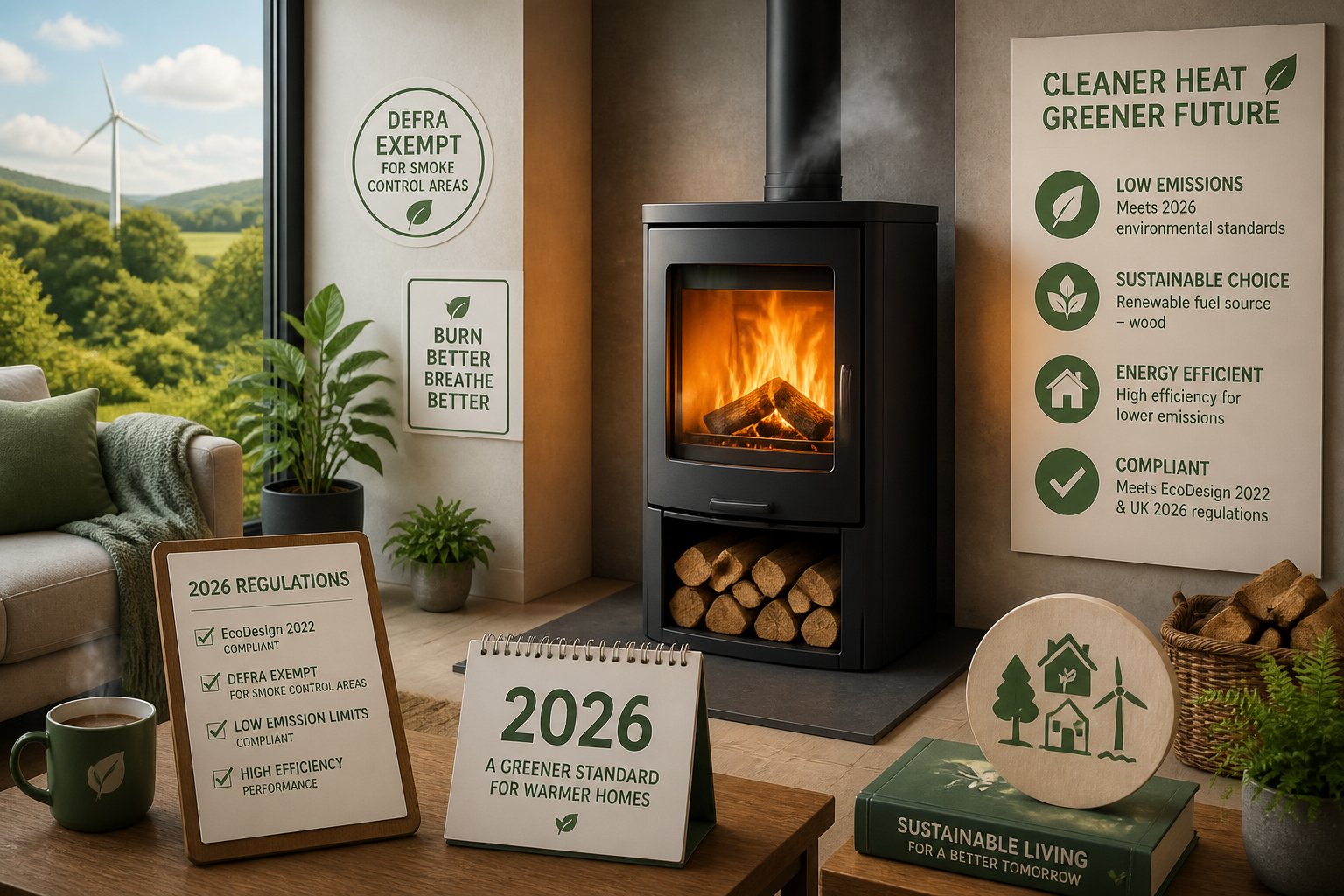
If you already have a wood-burning stove, or you’re thinking about getting one, it’s worth knowing what Labour’s plan actually says—because the headlines aren’t telling the full story. The EIP does set stricter air quality targets and talks about consulting on ways to lower emissions from domestic burning, but it doesn’t call for removing stoves from homes or outlawing their use. The real focus is on cleaner burning and modern, efficient appliances, not getting rid of wood burners altogether.
The confusion comes from the plan’s emphasis on reducing PM2.5 emissions, with domestic combustion flagged as a key area for improvement (alongside transport and industry). If you’re a stove owner, understanding what’s actually being proposed—and what it means for you—will help you cut through the noise.
Key Takeaways
- Labour’s Environmental Improvement Plan doesn’t ban wood-burning stoves or introduce new rules in 2026
- The government will consult on ways to cut emissions from domestic burning, while still supporting households that need solid fuel heating
- Modern Cleaner Choice certified stoves can cut emissions by up to 90% compared to open fires and already beat current legal requirements
New Regulatory Standards for Wood Burners
Right now, wood-burning stoves have to meet emissions limits of no more than 40mg/m³ for particulate matter and a minimum 75% energy efficiency. The government’s planning a consultation in 2026 to look at more ways to reduce emissions from domestic burning.
Stricter Emissions and Ecodesign Requirements
Ecodesign rules came in January 2022, so every new wood-burning stove sold now has to hit strict standards—at least 75% energy efficiency and a cap of 40mg/m³ for particulate matter.
These rules cover the whole solid fuel sector, including multifuel and pellet stoves. Manufacturers have had to up their game to keep up.
Labour’s Environmental Improvement Plan 2025 is pushing for tougher air quality targets, aiming to get average PM2.5 levels down to 10µg/m³ by 2030—ten years ahead of the previous schedule. The plan also aims to cut population exposure to pollution by 30% (compared to 2018) by 2030, and by 35% by 2040.
There’s a consultation set for 2026 to look at further emission-reduction options for home burning, but so far, no new regulations have actually been set out.
Ban on Older Wood Burner Models
There’s no ban on older wood burners already in people’s homes. Labour isn’t banning wood burners, and the Environmental Improvement Plan doesn’t mention removing what’s already installed.
The 2022 Ecodesign regulations only block the sale of new stoves that don’t meet emissions rules. If you already have a wood burner, you’re allowed to keep using it, no matter how old it is. Of course, if you live in a Smoke Control Area, your stove needs to be authorised for use there—or you could face fines from the council.
Older models do tend to pump out a lot more emissions than the newer ones. An open fire or an old stove can emit up to 90% more PM2.5 than a recent certified model, but you’re not legally forced to swap it out.
Cleaner Choice Standards and Compliance
Cleaner Choice is the highest certification you can get for a wood burner in the UK, managed by HETAS—the official body for the solid fuel sector. A Cleaner Choice certified stove emits at least 50% less PM2.5 than the law requires.
These stoves can cut emissions by up to 90% compared to an open fire. If you’ve got one, it already meets the strictest Smoke Control Area limits, so you’re pretty well set for any future changes.
To check if your stove is up to scratch, look up your make and model against the HETAS list of certified appliances. Cleaner Choice covers both wood-burning and multifuel stoves, so you don’t have to worry about missing out on the government’s clean air push while keeping your solid fuel heating.
Smoke Control Areas and Fuel Restrictions
Certain areas are designated by councils as smoke control zones, where there are restrictions on what you can burn and which appliances you can install at home.
Updated Rules for Smoke Control Areas
Smoke control areas fall under the Clean Air Act 1993, which limits the fuels and appliances you can use. In these areas, you have to burn authorised fuels or use exempt appliances that meet strict emissions standards.
If you’re in a smoke control area, your wood burner can’t emit more than three grams of smoke per hour. You can check if your stove is on the Defra-exempt list, which covers stoves with low smoke emissions.
Local councils enforce these rules and can hand out fines, but in practice, it’s not always straightforward—they usually have to catch the smoke in the act.
Permitted Fuels and Domestic Burning
Since 2020, there have been tighter rules on what fuels you can buy for burning at home. Traditional house coal is gone, and you can’t buy wet wood in amounts under 2 cubic metres.
All wood and manufactured solid fuels have to carry “Ready to Burn” certification, which means the moisture content is 20% or less. That helps ensure cleaner burning and more efficient heating at home.
Burning wet or treated wood is a definite no-go—it releases more pollutants and bumps up PM2.5 emissions.
Dry wood is easy to spot: it’s lighter, makes a hollow sound when you tap it, the bark flakes off easily, and the colour is generally lighter throughout.
- Lower weight compared to wet wood
- A hollow sound when tapped
- Loose, flaking bark
- Lighter colour throughout
Bonfires and Traditional Celebrations
The government’s January 2026 consultation will also look at emissions from domestic burning, including bonfires and outdoor fires. The goal is to limit the environmental impact of all kinds of household burning.
Bonfire smoke can be treated as a statutory nuisance under the Environmental Protection Act 1990 if it’s affecting health or causing a nuisance. Councils have to investigate complaints and can issue abatement notices telling you to stop or reduce the smoke.
Neighbours can also take private legal action for nuisance, which could mean injunctions or damages in court.
PM2.5 and Air Quality Targets
The Labour government’s Environmental Improvement Plan is pushing for more ambitious PM2.5 reduction targets, with new goals for 2030 that will impact how we burn solid fuel at home. These standards aim to bring England’s air quality up to stricter international levels.
Understanding PM2.5 and Fine Particulate Matter
PM2.5 is fine particulate matter—tiny particles, just 2.5 micrometres or less, about 30 times smaller than a human hair. They can get deep into your lungs and even your bloodstream when you breathe them in.
Burning wood, whether in stoves, fireplaces, or bonfires, is a significant source of PM2.5 in the UK. But the kind of appliance you use really matters—an open fire can release way more PM2.5 than a modern, efficient stove.
Indoor air pollution from wood burning isn’t just an outdoor issue, either. The smoke carries PM2.5 and other nasty compounds that can affect your health over time.
Government’s 2030 Reduction Goals
England now has two main PM2.5 targets that could affect wood burner users. The annual concentration target is to get average PM2.5 down to 10µg/m³ by 2030—a decade earlier than previously planned.
The population exposure target aims to reduce average exposure by 30% compared to 2018 by 2030, and by 35% by 2040. These tighter timelines mean government action across all pollution sources is on the cards.
From 2020 to 2023, PM2.5 emissions from domestic burning have already dropped by 17%. Since 1990, total UK PM2.5 emissions have fallen by 76%—a big shift, but there’s still work to do.
Alignment with EU and WHO Standards
The government’s updated environmental improvement plan is bringing the UK’s clean air standards closer to those in the EU. That’s a real change after years of going in a different direction.
The 10µg/m³ target for 2030 moves England toward the World Health Organisation’s recommended guidelines. These international PM2.5 standards recognise that even low concentrations can be a health risk.
Making sure your wood burner meets existing regulations is only going to get more important as these targets kick in. Cleaner Choice certified stoves can cut PM2.5 emissions by up to 90% versus open fires, so if you’re keen to do your bit for air quality, it’s worth considering.
Health Impacts of Wood Burning
Wood burning puts fine particulate matter into the air, which can mess with your respiratory and cardiovascular health. PM2.5 particles are tiny—small enough to slip into your lungs and even your bloodstream, where they can stir up or worsen existing health issues.
Evidence on Indoor Air Pollution
Burning wood indoors creates indoor air pollution that sometimes shoots up well above outdoor air quality standards. PM2.5 levels in homes with wood burners can spike, especially if your stove’s old or hasn’t been maintained properly.
These particles are so small—2.5 micrometres or less across, way smaller than a human hair—that they slip right past your body’s natural defences. How long they hang around in your air depends a lot on your home’s ventilation.
Modern stoves with tighter emissions standards do cut down on indoor air pollution compared to open fires and older burners. Still, any kind of wood burning adds some particulate matter to your living space.
Links to Asthma, Heart and Lung Disease
Breathing in wood smoke can set off asthma attacks for people who already have asthma. Those fine particles irritate your airways, making them tighten up and produce more mucus.
Regular exposure to PM2.5 from wood burning can up your chances of developing chronic lung conditions. The inflammation in your respiratory system can linger well after the smoke clears.
It doesn’t stop at your lungs—your cardiovascular system takes a hit too. PM2.5 particles that get into your bloodstream can add to the risk of heart disease, irregular heartbeat, and higher blood pressure. Studies have shown that living in areas with a lot of wood smoke bumps up the odds of heart attacks and strokes.
Protecting Vulnerable Populations
Kids are especially at risk from wood smoke since their lungs are still growing. Exposure early on can mess with lung development and set them up for breathing problems down the line.
Elderly folks are more vulnerable to air pollution, too. Their bodies just don’t handle the extra strain on their respiratory and cardiovascular systems as well. If you’re looking after older relatives, it’s even more important to keep their wood smoke exposure low.
Anyone with heart or lung conditions—think asthma, COPD, or heart disease—should be extra careful. Even short stints of high PM2.5 exposure can make symptoms worse or trigger serious health episodes.
Ella’s Law and Public Advocacy
The campaign for tougher air quality rules really picked up after the heartbreaking story of a young girl whose death was tied directly to air pollution. Her mum’s efforts have shifted the debate on domestic burning and clean air laws in the UK.
The Story of Rosamund Kissi-Debrah and Ella
Rosamund Kissi-Debrah became a leading clean air campaigner after her nine-year-old daughter Ella died in 2013. In December 2020, a coroner ruled that air pollution was a material factor in Ella’s death, making her the first person in the UK to have air pollution listed as a cause of death on their certificate.
Ella lived close to the South Circular Road in Lewisham, London, and suffered from severe asthma. The coroner found she was exposed to nitrogen dioxide and particulate matter levels above World Health Organisation guidelines.
This ruling changed the conversation about air quality and health in the UK. Since then, Rosamund has been pushing for Ella’s Law, which would make clean air a legal right.
Legislative Efforts for Clean Air
Ella’s Law aims to make clean air a human right in UK law. The campaign wants the government to adopt WHO air quality guidelines instead of sticking with the current, less strict standards.
While Ella’s Law hasn’t become law yet, the push for it has already influenced policy. The Environmental Improvement Plan 2025 now includes tougher targets for PM2.5 pollution, aiming to get average levels down to 10µg/m³ by 2030—much closer to what the WHO recommends.
The government’s consultation on domestic burning in 2026 is part of this wider effort to hit clean air targets.
Public and Industry Reactions
The wood burning industry has started rolling out cleaner technologies. Manufacturers are now offering Cleaner Choice certified stoves that put out up to 90% less PM2.5 than old-school open fires.
Some households, especially in rural areas, are worried about possible restrictions, since they rely on wood burning for heat. The government says it’s trying to balance cutting emissions with not hurting those who need wood to stay warm.
Environmental groups are mostly in favour of stricter rules, seeing them as necessary to protect public health and help the UK meet its clean air goals.
Industry Response and Support for Stove Owners
The solid fuel industry has responded to Labour’s Environmental Improvement Plan by shoring up certification schemes and offering clearer advice for homeowners. HETAS and other groups are helping stove owners keep up with changes and burn cleaner.
Role of HETAS and Industry Standards
HETAS is the official approval body for heating appliances, fuels, and services in the UK. They’ve set up the Cleaner Choice certification to highlight wood burners and multifuel stoves that go beyond the legal minimum.
Cleaner Choice stoves emit at least 50% less PM2.5 than the law requires in Smoke Control Areas and can cut emissions by up to 90% compared to open fires. This certification makes it easier to spot stoves that fit government air quality targets.
The sector’s already made headway—PM2.5 emissions from domestic combustion dropped 17% between 2020 and 2023. So, modern tech and industry standards seem to be making a difference without needing bans across the board.
Guidance for Existing Stove Owners
You don’t have to swap out your current stove under the present rules. The industry suggests checking if your appliance is approved for Smoke Control Areas if you live in one.
Some basics: confirm your stove’s make and model, buy fuel with the Ready to Burn logo, and get your chimney swept annually. Using a moisture meter on firewood helps make sure it burns cleanly.
HETAS has an Advice Hub with tips on burning responsibly. Good maintenance and choosing the right fuel really do cut emissions from your stove.
Transitioning to Cleaner Appliances
If you’re thinking of upgrading, look for stoves with Cleaner Choice certification. These models are more efficient and should be ready for any future regulations.
Older wood burners that don’t meet today’s standards might face sales restrictions at some point, but there’s no set timeline. Modern stoves not only pollute less—they tend to perform better, too.
The solid fuel industry stresses that upgrading is optional for now. You can keep using your current stove as long as you follow local rules and burn approved fuels properly.
Role of Defra and Key Government Figures
Defra is managing the proposed changes to wood burner regulations, with Environment Secretary Emma Reynolds fronting efforts to cut air pollution from domestic solid fuel burning.
Defra’s Oversight and Implementation
Defra’s in charge of air quality rules for wood-burning stoves in England. They ran a consultation on reducing smoke emissions from solid fuel burning from 22 January 2026 to 19 March 2026.
This consultation covered a few big proposals:
- New emission limits for stoves
- Labelling requirements for stoves and fuels
- Stiffer penalties for breaking current regulations
Defra points to domestic wood burners as a major source of PM2.5 emissions, and they’re working on stricter standards for manufacturers before new stoves hit the UK market.
Environment Secretary Emma Reynolds’ Initiatives
Emma Reynolds has been pushing for tougher rules on wood-burning stoves as part of Labour’s environmental plan. She introduced the updated Environmental Improvement Plan (EIP), which sets out ambitious targets for cutting pollutants from home heating.
Labour wants health warning labels on new wood-burning stoves to raise awareness about pollution. Reynolds has addressed concerns about possible bans, clarifying that any upcoming changes could include hefty fines for non-compliance, but there’s no outright ban on the table right now.
Her approach is about cutting indoor pollution while still keeping the needs of current stove owners in mind.
The Consultation Process
The Government’s consultation let people weigh in on the proposed changes. The window closed on 19 March 2026, and now Defra’s reviewing the feedback before making final decisions.
Your input could shape the final rules on emission limits, labelling, and penalties. Defra takes comments from stove owners, manufacturers, environmental groups, and health experts into account when drafting policy.
Defra will publish the consultation results soon, laying out the new rules for wood-burning stoves.
Related Environmental Policies and Broader Impacts
Labour’s Environmental Improvement Plan 2025 isn’t just about wood burners. It’s also targeting forever chemicals in water, invasive species, and trying to get more people out into England’s natural spaces.
Addressing Forever Chemicals and PFAs
The plan puts a spotlight on PFAS (per- and polyfluoroalkyl substances)—the so-called forever chemicals that stick around in the environment and build up in our bodies. They’re in all sorts of everyday items: non-stick pans, waterproof jackets, food packaging, you name it.
The government’s aiming to cut PFAS contamination in drinking water and soil. Expect tighter checks on water treatment plants and industrial discharge. New rules will limit PFAS in consumer products where safer alternatives are available.
Testing will ramp up to pinpoint contaminated sites across England. If you’re near industrial zones or military bases, your local water company will probably be testing more often. The plan prioritises cleaning up high-risk areas where PFAS levels are over health guidelines.
Managing Invasive Species
The Environmental Improvement Plan steps up efforts against non-native species that are harming British ecosystems. American Signal Crayfish, for instance, have become a real problem—they outcompete our native white-clawed crayfish and undermine riverbanks with their relentless burrowing.
Japanese Knotweed is still high on the hit list. This plant can wreck building foundations and squeeze out native plants. You might spot more surveys and treatment work happening nearby. It’s still up to property owners to keep Japanese Knotweed in check on their own land, which, frankly, can be a headache.
The plan brings in quicker response protocols for any new invasive species that show up. Catching them early can save a fortune and a lot of trouble down the line. There’ll also be tighter biosecurity at ports and garden centres—hopefully enough to keep more invaders from slipping through.
Expanding Public Access and Landscape Recovery
Landscape recovery projects aim to create and restore habitats across 500,000 hectares by 2030. These efforts connect fragmented wildlife corridors and help biodiversity in agricultural regions. If you’re someone who enjoys the outdoors, you’ll probably notice more opportunities to get out into nature as more farmers join environmental land management schemes.
The plan is looking at expanding right to roam laws beyond the usual mountains, moorlands, and coastal spots. Right now, only about 8% of English land is freely accessible. With these changes, more woodlands, meadows, and riverbanks could open up to walkers—though, of course, there’s still a need to respect working farms and people’s privacy.
Key access improvements include:
- New coastal paths and nature trails
- Better signposting for existing rights of way
- Improved facilities at nature reserves
- Community engagement programmes
There’s also a push for methane-suppressing cow feed as part of reducing agricultural emissions. This feed additive, apparently, can cut cattle methane by up to 30%, which should help with cleaner air alongside new domestic burning measures.